
In winter, waxed amaryllis bulbs became a super popular gift. They look impressive, they “grow by themselves,” and they don’t need water or soil. And yes—this actually works. But most of the time, it’s a one-season thing. If you want an amaryllis that comes back and blooms year after year, you’ll want a different approach.
In this article, I’ll cover:
- how a waxed amaryllis is different from a bulb meant for planting,
- the pros and cons of each,
- how to pick a healthy bulb,
- how to plant and care for amaryllis indoors,
- and what to consider if you want to plant it outside.
What Is a “Waxed” Amaryllis—and Why Does It Bloom Without Water?
A waxed amaryllis is basically a bulb coated in a layer of wax (often sitting on a decorative base). It really can push up a flower stalk and bloom without any watering because it’s running on the moisture and nutrients it stored earlier.
But here’s the catch: after it blooms, the bulb needs to recover. That means roots, light watering, nutrients, and time to grow leaves again. With waxed bulbs, the roots are often missing or badly damaged. And you can’t really check the bulb’s condition—because under that wax, it could be anything.
My personal experience: the bulb I bought was half rotten inside. And even if you plant it after it blooms, it rarely bounces back, because it already spent most of its energy on that big show. I’m not arguing that it isn’t pretty—watching a waxed bulb bloom on a cute stand looks amazing.
But that’s why waxed amaryllis is usually more of a “holiday decoration for the season” than a true long-term plant.
A Planting Bulb: Why This Option Can Bloom for Years
Now let’s talk about amaryllis that’s sold either:
- already potted in soil, or
- as a bare bulb meant to be planted.
Amaryllis is naturally a perennial. It goes through a few stages:
- Blooming — it sends up the flower stalk and opens the buds.
- Leaf growth — it grows leaves to rebuild energy.
- Dormancy — the leaves often die back and the bulb “rests” (for many people, this happens until around November).
When the bulb is in soil and can grow roots and leaves, it has a chance to recharge and set itself up for the next blooming season. If you buy a healthy bulb and give it decent conditions, amaryllis can bloom every year—often in late winter or early spring.
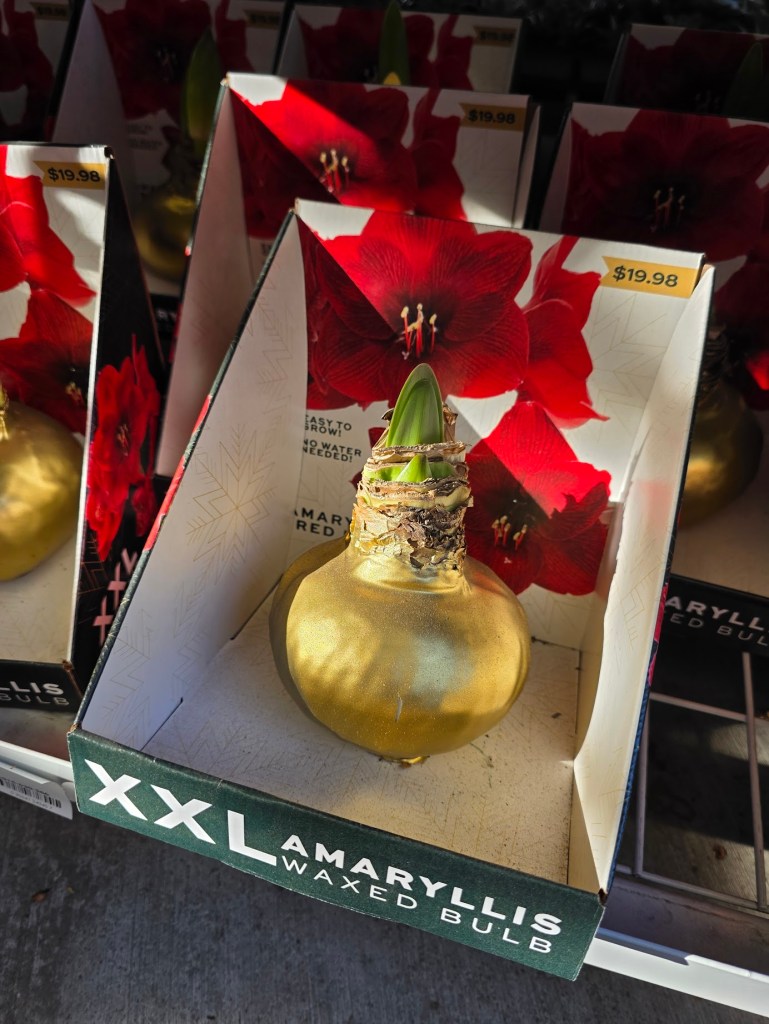
Waxed Amaryllis
Pros:
- gorgeous as a gift and seasonal decor,
- zero care “right now,”
- great if you don’t want to deal with pots and soil.
Cons:
- usually a one-time bloom,
- you can’t inspect the bulb’s health,
- higher risk of mold/rot/hidden damage,
- recovery after blooming is unlikely.
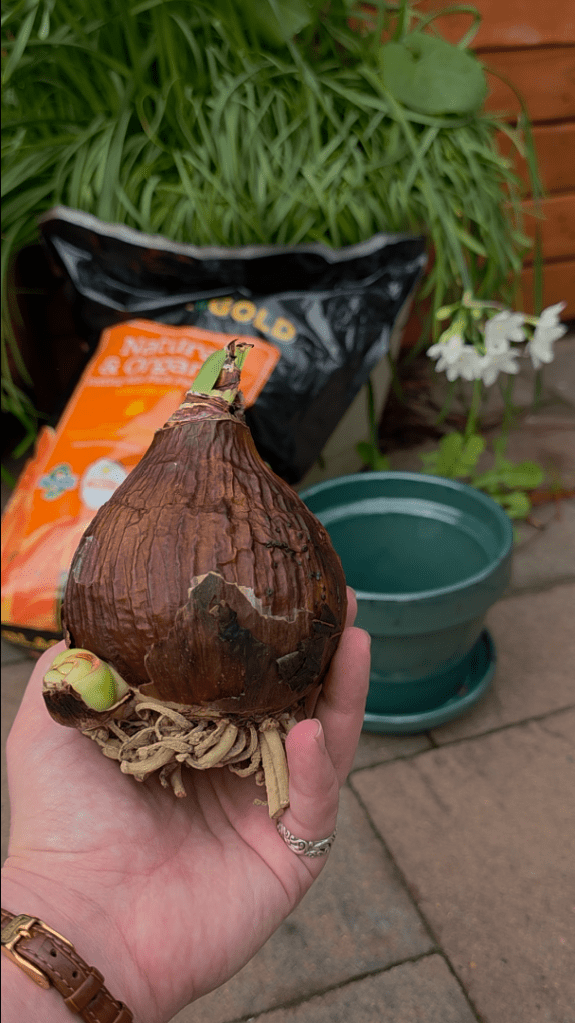
Amaryllis Bulb for Planting
Pros:
- a real shot at yearly blooms,
- you control the soil, watering, and conditions,
- you can choose a quality bulb,
- you may be able to grow it outside (in the right climate).
Cons:
- you’ll need a pot, soil, and some basic care,
- watering matters (overwatering is a common problem),
- after blooming, it needs time to recover and rest.
How to Pick a Healthy Bulb: A Simple Store Checklist
If you want a plant that brings you that “holiday feeling” every year (or you’re dreaming of a little amaryllis collection—my mom had about 10 varieties, and we enjoyed their blooms all winter while snow was outside), here’s what to look for:
How it should look and feel:
- firm and heavy for its size (not light or hollow),
- dry, with no wet spots,
- no mold and no rotten smell,
- no deep cuts, soft spots, or “caving in.”
Roots and “babies”:
- if you can see roots, they should look alive and firm—not slimy,
- sometimes you’ll see small baby bulbs—this can be a good sign the bulb is strong.
Size matters:
- bigger bulbs usually mean stronger blooms and better recovery.
Indoor Planting: What Amaryllis Likes on Your Windowsill
Don’t choose a huge pot. Amaryllis actually likes to be a little snug. In nature, it often grows in dry, rocky areas—so think “tight and well-drained,” not “big and soggy.”
Here’s what helps:
- Pot: small-ish, with drainage holes.
- Drainage: add a solid drainage layer at the bottom (too much water = rot).
- Soil: light, airy, well-draining soil. You can mix in a little sand or perlite for extra drainage.
- Planting depth: don’t bury it all the way—keep the bulb about halfway above the soil. The roots should be in the soil, but the top of the bulb should stay out.
- Watering: simple rule—it’s better to underwater a bit than overwater.
Light: a bright spot is best. A south-facing window works great, just keep it away from direct heat from a heater or radiator.
If You Want to Plant It Outside
If you’re planning to plant amaryllis outdoors (I do this in California), your climate zone really matters. I’m in zone 9B. Amaryllis does not handle frost well, so definitely check your zone first.
Also:
- choose a sheltered spot (not super windy),
- make sure the soil drains fast and doesn’t stay soggy.
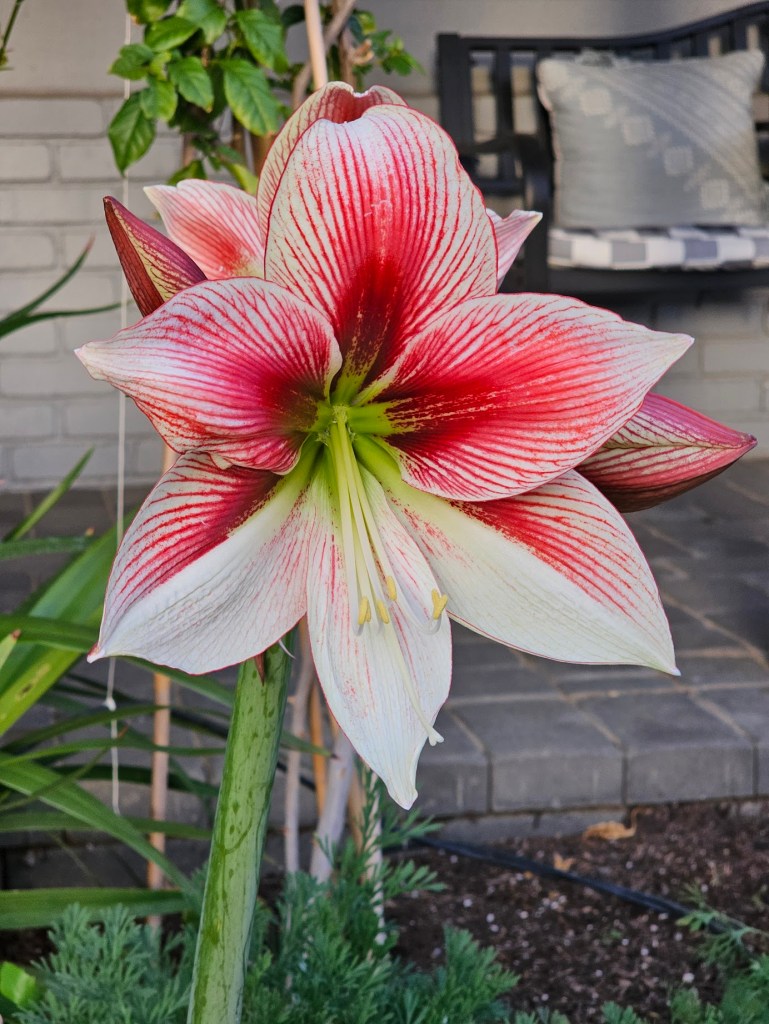
Waxed amaryllis is a beautiful winter “wow” gift—but most of the time, it’s designed for a single bloom. If you want a plant that comes back with flowers every year, choose a healthy bulb meant for planting, use well-draining soil, don’t overwater, and give it time to recover after blooming.
This doesn’t have to be a one-time treat. It can be a long-term, yearly tradition—if you grow amaryllis as a real plant, not just seasonal decor.
See more
 Petrichor Magic
Leave a comment